
Questions sellers ask Selling a home with added challenges
A busy street, an older home, or questions about condition call for a more individual plan. I recommend where preparation is worth it, where the price should sit, and how to introduce the home’s strengths while giving buyers clear information.
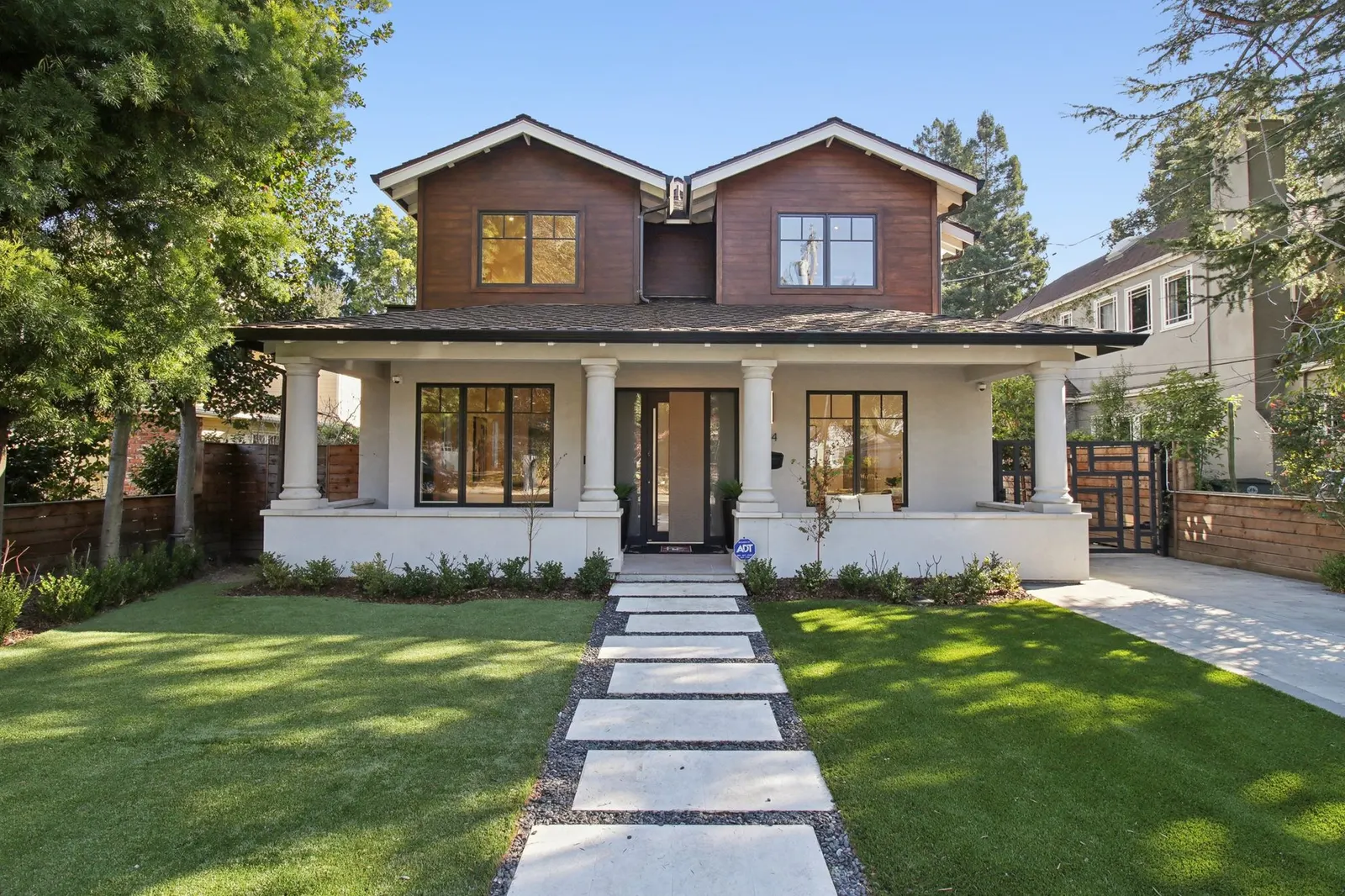
Experience with different kinds of homes
- 1560 University Avenue $5.825M Strategic improvements to the garden and separation from a busy street, with personal support throughout preparation.
- 154 Coleridge Avenue $7.94M A fresh introduction through an open-house event featuring local artists, supported by 5,000 invitations.
- 1690 Edgewood Drive $5.11M A completed sale following several earlier listing attempts over roughly four years.
-
My house is on a busy street — what do I need to do to sell it for more?
Start by assessing the arrival, outdoor spaces, and comfort inside the home. Thoughtful landscaping, a welcoming entrance, and selected improvements may help. I’ll weigh those possibilities against their cost and recommend pricing that accounts for the location.
-
How much does a busy street actually cost you in Palo Alto?
There isn’t one reliable percentage for every busy street. Traffic, the home’s setback, its layout, and relevant comparable sales all matter. Sale-to-asking-price ratios describe how homes performed against their asking prices; they do not isolate the effect of traffic on value.
-
How much longer does it take to sell a house on Middlefield Road?
Historical selling times can provide context, but they cannot predict the timeline for one address. I’d review recent comparable homes, current competition, pricing, and the property’s particular setting before recommending a launch plan.
-
My house is near Alma and the train — what do I need to do to get it sold?
Help buyers understand both the setting and the home’s strengths. We can consider practical improvements to comfort and outdoor spaces, prepare clear property information, and create opportunities for buyers to experience the home firsthand.
-
Has Maggie sold homes with challenging locations?
Yes. My experience includes homes on busy streets, near transportation corridors, and properties that had been listed previously. Examples include 1560 University Avenue, 154 Coleridge Avenue, and 2200 Saint Francis Drive. Each called for a different plan, shaped around the home and the seller’s priorities.
-
Do I need to replace my windows before I sell?
Not automatically. Consider their condition, appearance, comfort, and the cost of repair versus replacement. Original windows may contribute to a home’s character, while damaged or poorly functioning windows may warrant further assessment.
-
Selling a house with traffic noise in Palo Alto — what actually works?
Begin with the home’s actual conditions: where noise is most noticeable, how the rooms and outdoor spaces function, and which improvements are feasible. Pair that assessment with realistic pricing and clear information so buyers can make an informed decision.
-
My house is 1930s (or 1950s) and original — do we need to remodel before we sell?
Age alone is not a reason to remodel. We’ll look at condition, character, competing homes, and the likely cost and time involved. Targeted preparation may be enough; a larger project deserves a more detailed comparison before you commit.
-
How much should we spend on remodeling before selling in Palo Alto?
Start with a proposed scope, not a percentage of your home’s value. Get estimates for the work, consider the time and carrying costs, and compare the potential outcome with selling without those improvements. I’ll help you prioritize rather than assume a larger budget means a better result.
-
What does it cost to remodel a house in Palo Alto, per square foot?
A per-square-foot figure is only useful when you know what it includes. Cosmetic preparation and substantial remodeling involve very different work. Define the scope first, then obtain project-specific estimates with clear allowances and exclusions.
-
Is a basement a problem or a bonus when selling in Palo Alto?
A basement’s usefulness depends on its condition, layout, documentation, and how it can be represented in the sale. Questions about permits, moisture, and reported square footage deserve review by the appropriate professionals. I can help coordinate that review and organize the information for buyers.
-
Knob-and-tube, plaster, original windows, original roof, dry rot, asbestos — do I fix them before I sell?
These items need different kinds of assessment; they shouldn’t be treated as one checklist. Start with appropriate inspections and specialist advice, then distinguish urgent concerns from optional improvements. I’ll help organize the findings and a preparation plan around them.
-
My house has no air conditioning — do I need to add it to sell in Palo Alto?
Not necessarily. Consider the home’s comfort, existing systems, installation cost, and the expectations of buyers considering comparable properties. We can assess whether adding cooling is a worthwhile project before the sale.
-
How much more is a house worth with an ADU in Palo Alto?
There is no single premium that applies to every ADU. Its condition, permitted status, privacy, layout, and usefulness all matter. Comparisons also need to account for differences in the main home and lot, rather than attributing the entire price difference to the additional unit.
-
Should I build an ADU before I sell?
Treat it as a separate investment decision, not a routine preparation item. Before committing, assess feasibility, total cost, timing, and the uncertain effect on your sale proceeds. If an ADU or approved plans already exist, we can consider how to present that opportunity.
Maggie Ma Keller Williams Palo Alto · DRE #02117367 Last updated
The people I call
Need someone? Ask me who I would call.
The right painter, gardener or inspector depends on the house and the job. Tell me what you need below, and I’ll send the names I would call myself — people I’ve worked with on my listings, or who have come highly recommended to me. There’s no charge for the list, and you’re welcome to ask whether or not you’re planning to sell. You would hire any provider directly.
On its way. Thank you—your request is in. I’ll review what you need and follow up with the contacts. Thank you—the names are in your inbox now. If anything you asked for isn’t there yet, I’ll follow up on it myself.
A plan for your home
Let’s look at the details together.
Tell me what you’re concerned about and what you hope to accomplish. I’ll help you sort through the questions, identify where more information would help, and consider a practical next step. There’s no charge for the conversation.
Prefer to text? Text Maggie at 650.709.5588.
Have a house with a complication of its own? Ask for a preparation review.