
Selling a home in Palo Alto What actually happens between “yes” and sold.
From our first conversation to closing: what I look at, what I recommend and why, the decisions that stay with you, and how I lead the work once you have made them.
 The sign goes up
 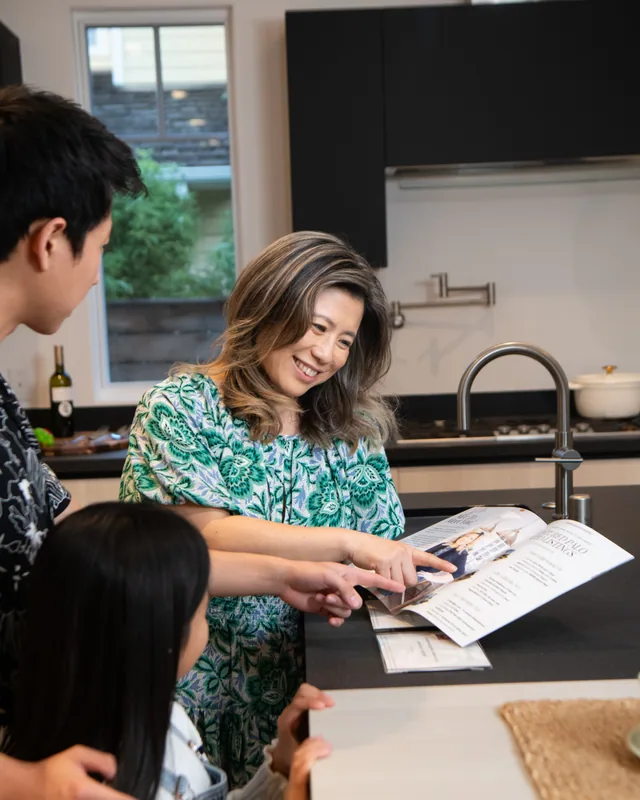 Going through it
  Signing
  A good day
 The sequence
Five phases, in order.
-
Understand
Goals, timing and priorities — before any advice
-
Strategize
Maggie’s recommended preparation, pricing and launch plan
-
Prepare
Preparation managed for you; luxury staging designed by Maggie
-
Launch
Storytelling, photography and buyer engagement
-
Negotiate
Maggie negotiates price and terms, and leads through close
The calendar
Most of the work happens before anyone sees the house.
By the time buyers walk through the door, preparation, staging, photography, and pricing have come together. I plan those steps in the order your particular house needs, so it is ready to make its first impression.
- 01
Understand
Our first conversation
Goals, timing and what you actually want out of this — before any advice.
- 02
Strategize
A week or two
My recommendation: what to touch, what to leave, what it should cost and when to launch.
- 03
Prepare
Preparation
Repairs and improvements coordinated for you, with luxury staging personally designed and directed by Maggie.
- 04
Launch
Introducing your home
Photography, the story, broker tour, open houses, private showings.
- 05
Negotiate
Through closing
Offers, terms, contingencies and escrow, through to close.
Wondering when to begin? Explore what five years of Palo Alto sales suggest about timing: when to sell in Palo Alto →
Preparation
A clear purpose for every improvement.
Preparation begins with seeing the home through a buyer’s eyes: what draws them in, what deserves more attention, and what might give them pause. I bring those observations together in a practical plan, directing your budget toward the work that best supports your sale.
There is no standard return on preparation, and the average is the wrong question. What matters is where this particular house deserves investment, and where spending would be wasted. Maggie walks the property, decides what she would do and what she would leave alone, and explains her reasoning before you approve any work.
In person
The Art of Preparing a Home for Sale.
What that looks like
Bringing a home’s character forward.
At 1560 University Avenue, the preparation centered on its Spanish Revival architecture, gardens, and welcoming interiors. Thoughtful improvements also created a stronger sense of separation from the busy street, bringing the presentation together.
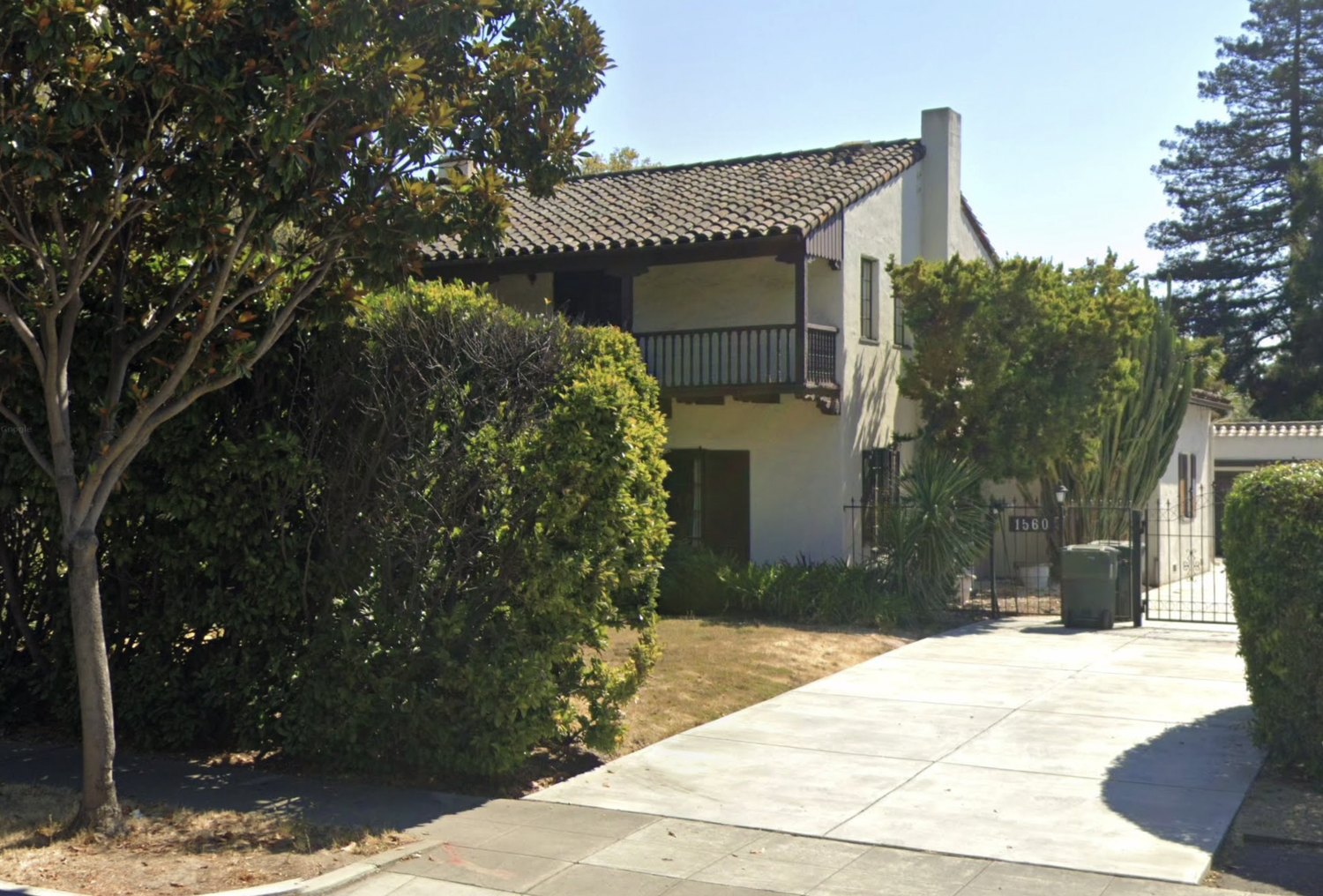 Before
 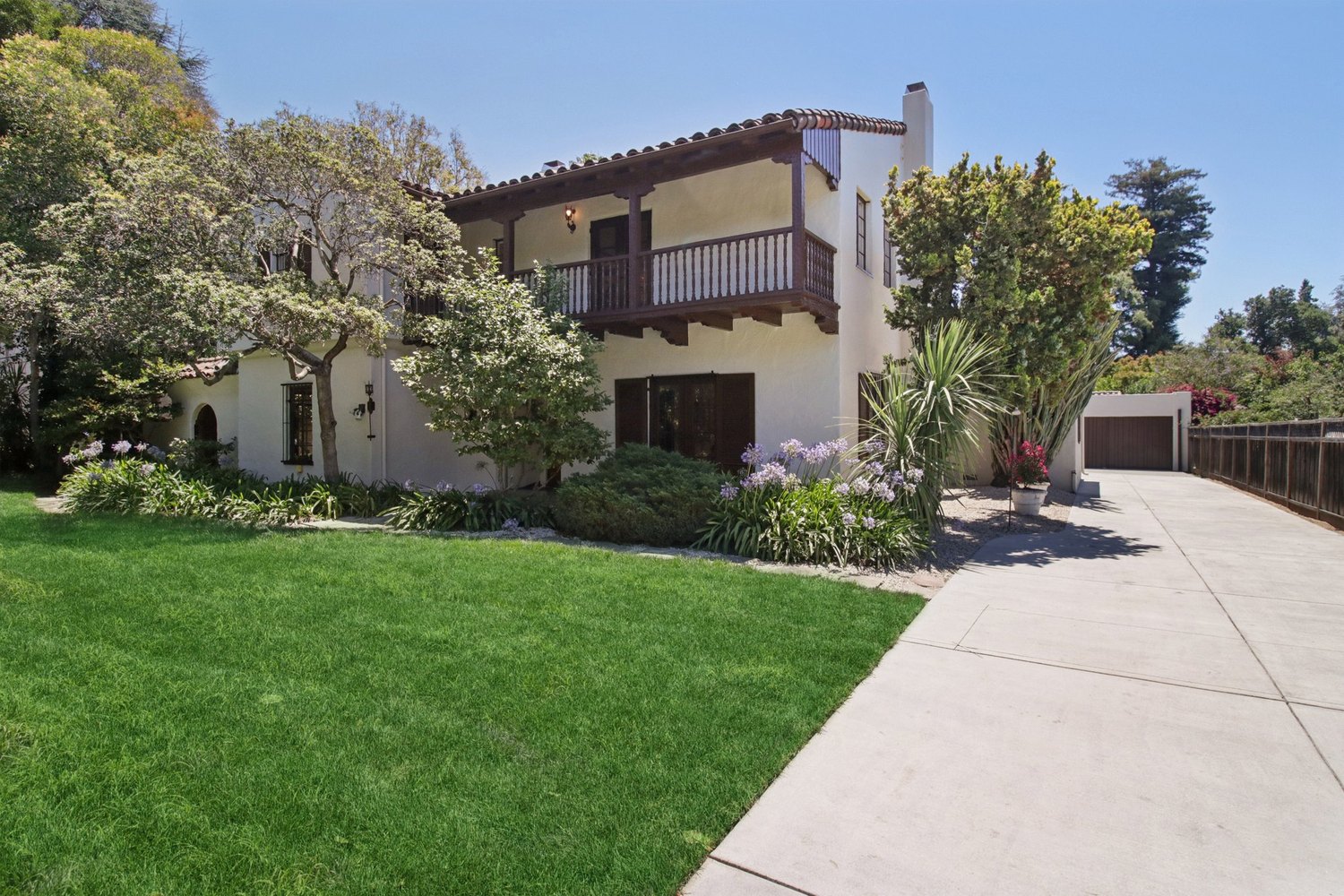 After
After 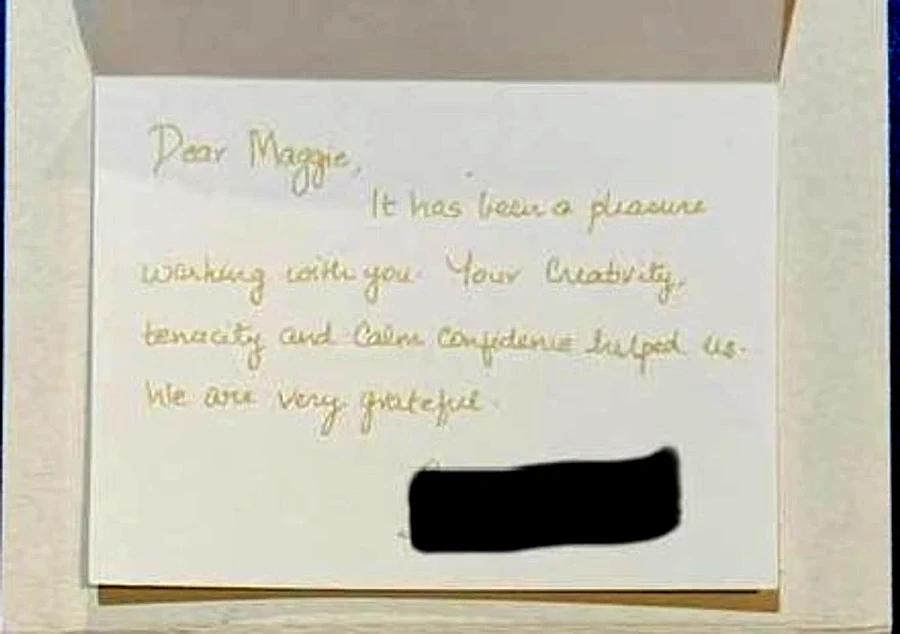
What the sellers wrote afterwards
Creativity, tenacity, and calm confidence.
Dear Maggie,
It has been a pleasure working with you.
Your creativity, tenacity and calm confidence helped us.
We are very grateful.
A fresh approach brought renewed interest after four months on the market without a sale. Maggie listed the home on January 15, 2026, and it went pending in thirteen days and then closed for $5,110,000—$122,000 above asking.
Who does what
Maggie recommends. You decide. She leads the work.
Your part is the priorities, the approvals and the decisions only an owner can make. Maggie’s is the diagnosis, the recommendation, the strategy, the creative direction and the negotiation — and then leading the work that carries it out.
You
Priorities, approvals and the final decisions
- Share your goals and timing.
- Sign the listing disclosures.
- Approve the preparation plan and budget.
- Approve the asking price and launch date.
- Review the offers and sign the one you choose.
- Close.
Maggie
Diagnosis, recommendation and representation
- Assesses the house — what buyers will value, what will give them pause — and recommends what to do and what to leave.
- Develops the preparation plan and coordinates the budget.
- Recommends the pricing and launch strategy, and explains why.
- Personally designs the staging, selects the furnishings, and directs presentation and marketing.
- Leads buyer and agent engagement.
- Gives you her recommendation on every offer and negotiates on your behalf.
- Leads the transaction through escrow and closing.
The team and the trades
Coordination and specialist support
- Scheduling vendors and coordinating each stage of preparation.
- Painters, floors, landscapers, handymen, cleaners.
- Staging team — delivery, installation to Maggie’s design, and removal after close.
- Photography, video and floor plans.
- Print, signage, mailers and the listing everywhere it appears.
- Disclosure packages, inspections and the paperwork trail.
- Escrow coordination and tracking important deadlines.
Worth knowing
Maggie owns G.Studio, her staging company, and its furniture inventory. She develops the design and makes the staging decisions; her team brings that vision into place.
What the trades themselves charge on the Peninsula — roofing, paint, termite, landscaping — is published separately: what preparation costs →

Getting it in front of buyers
Help buyers see what makes your home special.
Photography, storytelling, thoughtful exposure, and personal conversations work together to help buyers understand and appreciate your home.
-
Photography that captures the home’s character
Interiors, gardens, daylight, and twilight each reveal something different. Photography, floor plans, and video help buyers understand the spaces and how they connect.
-
A story grounded in the home itself
Architecture, thoughtful improvements, and the experience of living there give buyers something meaningful to connect with. Maggie shapes the presentation around what makes your home distinctive.
-
Personal attention at showings and open houses
Maggie brings her knowledge of the home into conversations with buyers and their agents, answers questions, and follows up on interest and concerns.
-
Marketing in English and Mandarin
Bilingual marketing and direct communication help English- and Mandarin-speaking buyers understand the home’s features and ask questions comfortably.
-
Coordinated exposure and outreach
MLS distribution, the brokerage network, print materials, digital marketing, and direct outreach to agents and prospective buyers support the launch.

Pricing
A pricing strategy built around your home.
An asking price shapes how buyers discover and respond to a listing. Maggie considers comparable sales, competing homes, your property’s condition and presentation, and the timing of your launch.
From there she recommends a pricing and launch strategy: the price, the moment, and the response she believes the launch needs to create. She tells you why she recommends it, and what would make her change course. You have the full picture, and the decision is yours.
When buyer feedback and offers arrive, she reads them the same way — price, terms, contingencies and the path to closing — and tells you what she would do.
And what it costs
Know what’s included from the start.
Review Maggie’s listing fee, the services it includes, and the third-party expenses to plan for. You’ll have a clear starting point for discussing the scope and budget for your home.

Advice at your pace
Sometimes the answer is not yet.
The right timing depends on your circumstances. Sometimes it makes sense to finish work already underway, coordinate an upcoming move, or resolve questions with your legal and financial advisers before listing.
Other times, a home needs less preparation than its owner expects. Maggie will tell you which she would recommend — wait, simplify the work, or move forward — and why.
The first conversation is where you hear her honest read, with no obligation to list.
Not sure whether selling is the right move yet? Work through the question of whether to sell or keep the house.
Whatever brought you here
The right move is different in each case.
Your circumstances help shape the plan. Find guidance for the questions and decisions that come with your next move.
Selling an inherited home
Coordinate the practical steps of preparing and selling a family property, alongside guidance from your legal and tax advisers.
Start here →Selling a tenant-occupied home
Understand the questions to resolve around occupancy, access, timing, and the sale process.
Explore the considerations →Deciding whether to make improvements
Compare selling as-is with preparing the home first, taking your budget, timing, and likely buyer response into account.
As-is, or prepare? →Selling during separation or divorce
Organize the property decisions, preparation, and communication when a sale is part of a separation, alongside the advice of your attorney.
How it is handled →Planning a move out of the area
Explore how preparation, communication, and sale logistics can be coordinated when you’re moving away or managing the process remotely.
Discuss your timing →Moving up to your next home
More room, a different neighborhood, or a location that better fits your life. Plan how to prepare and sell your current home while coordinating the purchase of your next one.
Plan your next move →Downsizing for a new chapter
With children off to college, retirement ahead, or more travel in your plans, you may want a home that asks less of you. Explore the timing, belongings, and decisions involved in making the move.
Make room for what’s next →Planning a exchange
Considering selling an investment property and purchasing another? Coordinate the real estate strategy with your tax advisor and exchange professional before committing to the sale.
Explore the next steps →Questions sellers ask
Practical answers to your questions.
One page per question, each written by Maggie and each dated.

A helpful place to start.
Preparing to sell in Palo Alto: where to focus your time and budget.
A practical guide to prioritizing improvements before a sale: where to focus your budget, what may be worth leaving alone, and how to weigh the tradeoffs.
On its way. — Maggie
One guide, sent once. Unsubscribe any time.

Let’s look at what your house actually needs.
Whether you’re selling soon or planning further ahead, bring Maggie the address and what you want the sale to do for you. She’ll walk the house and tell you what she would recommend — and why.
Or text her directly on 650.709.5588.