
Inherited & family homes · Palo Alto A clear next step for the family home.
Whether you’ve inherited a home or are helping a parent plan a move, you don’t need to have everything sorted before we talk. I’ll help you understand the home’s selling potential, decide which improvements are worth considering, and coordinate the details when you’re ready to sell.
Talk with Maggie Call 650.709.5588Text Maggie
Personal guidance from Maggie MaEnglish & Mandarin
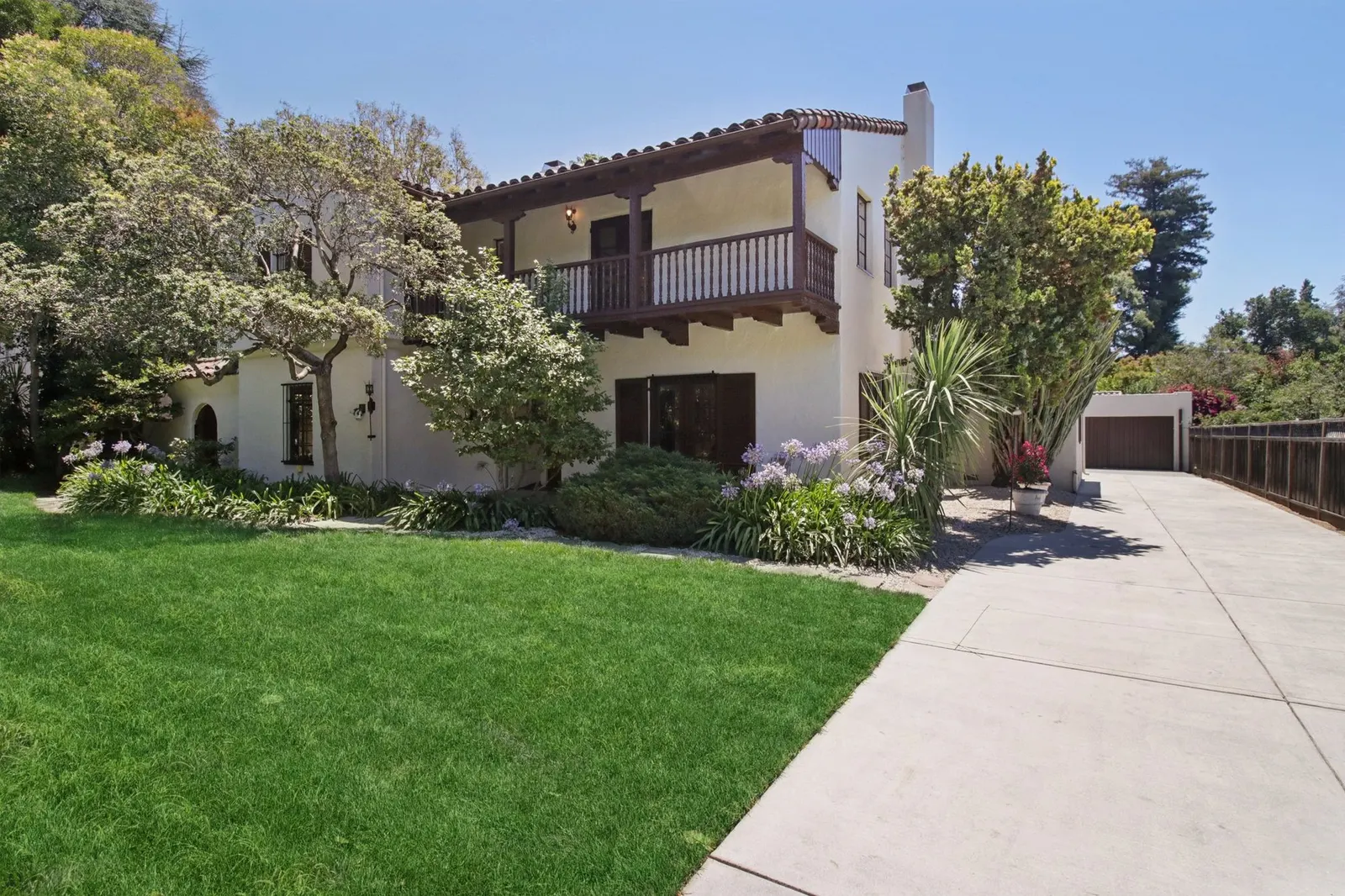
Start with the home as it is.
The rooms may still be full. You may live out of town. Or your family may simply want to understand the options before making a decision.
We can begin with a walkthrough and a conversation about the property, your timing, and what matters to you. You don’t need to clear the house or start repairs first.
What I can take off your hands
A practical plan for the property
I’ll assess the home’s condition and local competition, then help you compare selling as it stands with making selected improvements. We’ll weigh the likely benefit against the cost, time, and work involved—so preparation has a purpose and a budget.
Belongings, clearing, and preparation
You decide what to keep and what you’re ready to let go. I can coordinate estate-sale services, clean-out, repairs, and landscaping around those decisions, then oversee the work you approve.
Local coordination when you’re elsewhere
I can serve as your local point of contact for the real estate work, with progress photos, clear updates, and decisions organized for your review. With your authorization, I’ll keep the family members and professional advisers you designate informed.
Presentation and negotiation, personally led
I personally shape the home’s presentation, including customized staging through my own staging company, G.Studio. Then I lead the pricing strategy, marketing, and negotiation, with attention to both the offer and the terms that matter to you.
Care for the details. Attention to the sale.
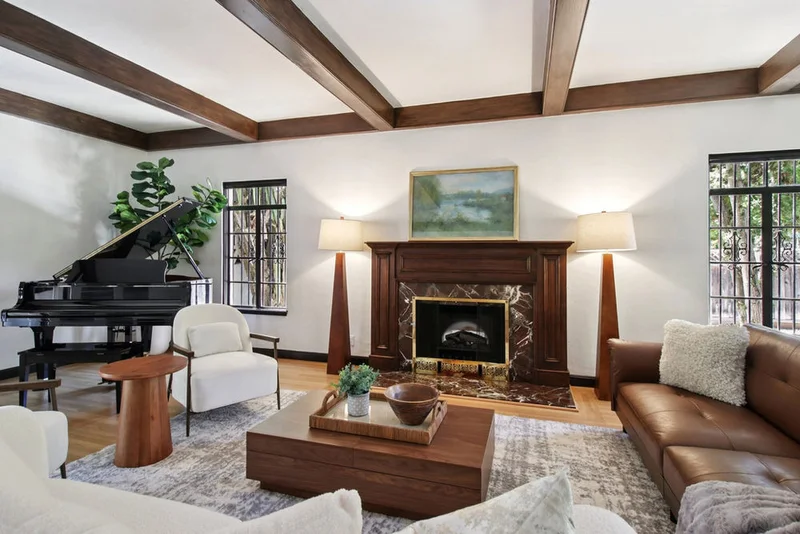
Featured example · 1560 University Avenue · Palo Alto
For this longtime family home, I coordinated estate-sale details and focused preparation on the gardens and the home’s separation from University Avenue, while preserving its original character.
It’s an example of the practical care I bring to a sale: deciding where to focus the work, coordinating the details, and presenting the home thoughtfully to buyers.
$5.825M sold · 5 days on market
What would be useful to understand first?
You may want to know what the home could sell for, whether to make improvements, or how to manage the process from another city. You may still be deciding whether a sale makes sense.
Tell me where you are in the process. We’ll start there.
I handle the real estate work and coordinate with your designated advisers. Your attorney and tax professional guide ownership, legal, and tax decisions.
Questions you may be working through
After inheriting a home
- I’ve inherited a house. Where do I begin? A starting point for organizing the property questions and the next conversations.
- How does selling an inherited or trust-owned home work? What to consider as you plan the real estate side of the sale.
- What if my siblings and I want different things? How information about the property can help you discuss the options.
- What could the property-tax bill look like? Questions to explore before deciding whether to keep, occupy, rent, or sell.
Planning ahead for the family home
- Should my parents sell now or leave the home to their children? Start with their wishes, comfort, and plans for the years ahead.
- Should I add my adult child to the deed? Questions to discuss with your estate-planning and tax advisers before changing ownership.
- What is a step-up in basis? A guide to a tax concept that may matter in your family’s planning.
- Should I keep my home or sell and use the equity for my next chapter? Consider what your home makes possible for you today, alongside what you hope to leave your family.
Need help finding the right person?
If you need an estate-sale company, help with a move, a contractor, or an introduction to a professional adviser, tell me what you’re trying to accomplish. I’m happy to share relevant contacts and help you identify a starting point.
Ask Maggie for an introduction
On its way. Thank you—your request is in. I’ll review what you need and follow up with the contacts. Thank you—the names are in your inbox now. If anything you asked for isn’t there yet, I’ll follow up on it myself.
There’s no charge for introductions. You choose and hire providers directly.
When you’re ready
Let’s talk about the home.
You don’t need a finished plan to get in touch. Tell me a little about the property and what you’d like help with.
Prefer to speak directly? Call 650.709.5588 · send a text
Thank you. I’ve received your message and will follow up using your preferred contact method.