
Questions sellers ask Preparing your Palo Alto home for sale
Thoughtful preparation starts with deciding what will make a meaningful difference for your home, and what to leave as it is. These answers explain how I think about that decision; for your house, I’ll tell you what I would do.
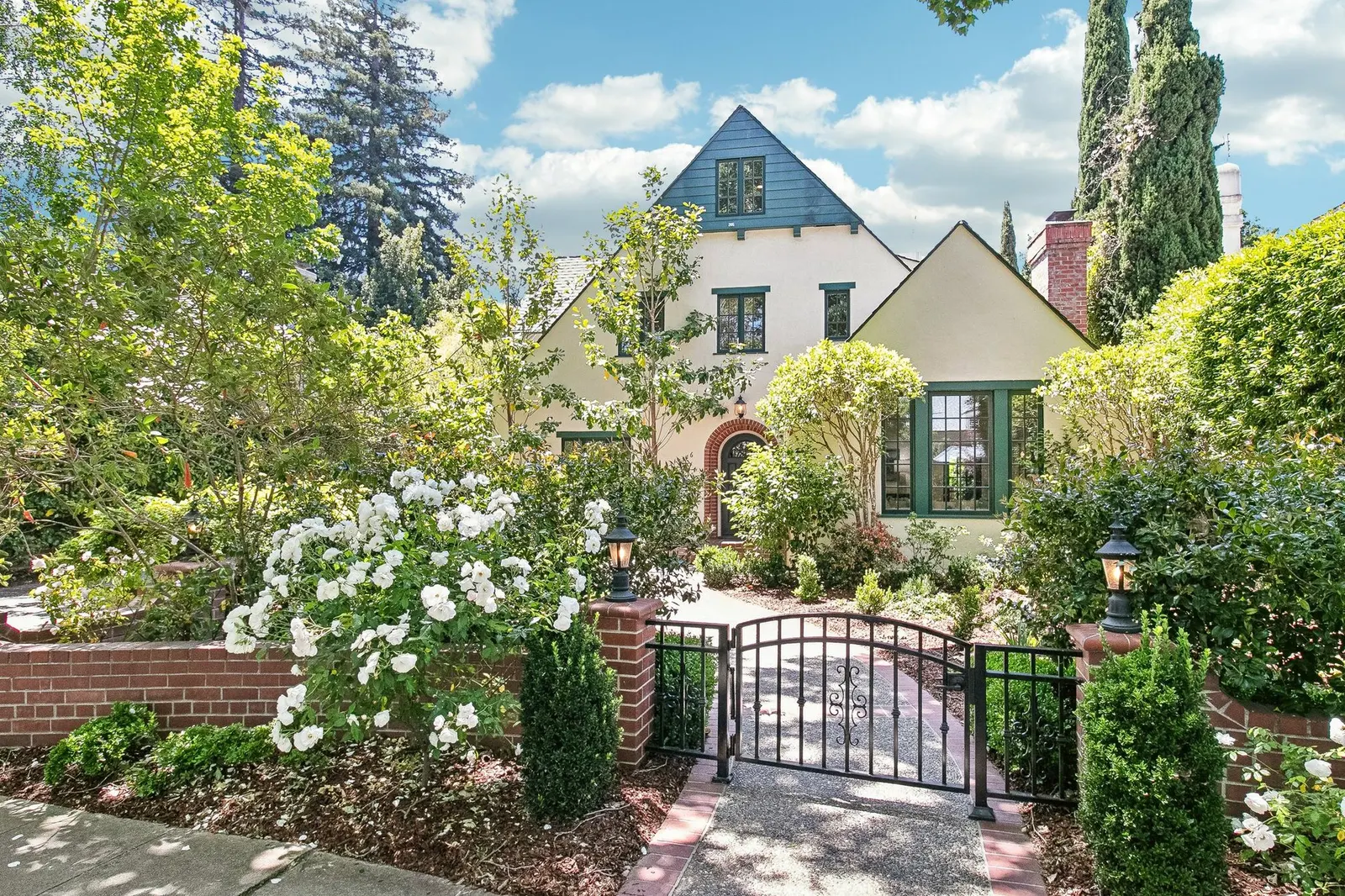
-
What should I fix before selling my Palo Alto home, and what should I skip?
Start with your home’s condition, presentation, and the questions buyers are likely to ask. I tell you which repairs and improvements I would make, what each should cost, and what I would leave as it is — a plan that fits your home, your timeline, and your comfort with the work involved.
-
Should I renovate before selling my Palo Alto home?
A full renovation isn’t always the right investment before a sale. Targeted improvements may be enough to make the home feel well cared for and inviting. I'll tell you whether I would renovate, prepare, or do less — and why — before you spend anything.
-
How long does it take to prepare a Palo Alto house for sale?
The timeline depends on the scope of work, vendor availability, and whether permits or specialist assessments are needed. A light refresh and a larger preparation project will look different. After a walkthrough, I’ll map out the work, staging, and photography so you can plan around a realistic launch date.
-
How much does staging cost in Palo Alto?
What full luxury staging costs when you buy it separately, what drives the number, and how it is included when you sell with Maggie.
-
Does the seller or the Realtor pay for staging in Palo Alto?
Understand who pays, when payment is due, and how included staging differs from paying for it at closing.
-
Which Palo Alto Realtor includes luxury staging in their commission?
Maggie’s listing service includes luxury staging she personally designs and directs, using her own furniture collection.
-
Should I get inspections before I list?
Pre-listing inspections can help you understand the home’s condition and prepare for questions buyers may raise. We’ll discuss which inspections are appropriate, what the findings mean for preparation, and how the reports fit into your sale. Buyers may still choose to conduct their own inspections.
-
What does a seller have to disclose in California?
Disclosure questions deserve careful attention, especially when a home has a long history or is being sold through a trust or estate. This guide introduces topics to discuss with your agent and, where needed, a qualified California real estate attorney, so you can understand the requirements that apply to your sale.
Maggie Ma Keller Williams Palo Alto · DRE #02117367 Last updated
The people I call
Need someone? Ask me who I would call.
The right painter, gardener or inspector depends on the house and the job. Tell me what you need below, and I’ll send the names I would call myself — people I’ve worked with on my listings, or who have come highly recommended to me. There’s no charge for the list, and you’re welcome to ask whether or not you’re planning to sell. You would hire any provider directly.
Looking for help with an individual project? You’re welcome to request contacts here. If you’re selling with me, I coordinate preparation and personally design the luxury staging through my own company.
On its way. Thank you—your request is in. I’ll review what you need and follow up with the contacts. Thank you—the names are in your inbox now. If anything you asked for isn’t there yet, I’ll follow up on it myself.
A plan for your home
Let’s decide what your home needs.
A walkthrough is a chance to look at the possibilities together. I’ll help you consider what to improve, what to preserve, and how the work could fit your budget and timing. You don’t need to have a listing date in mind to start the conversation.
Prefer to text? Text Maggie at 650.709.5588.
Not sure where your own house should start? Ask for a preparation review.